
Why Theatre Training is Important for Film and OTT Actors
In the age of OTT platforms, short-form content, and rapid casting cycles, many aspiring actors believe that theatre is optional — or worse, outdated. With auditions happening on phones and performances judged in seconds, theatre training is often seen as slow, demanding, and unnecessary.
But the truth is quite the opposite.
If you look closely at actors who consistently deliver strong, believable, and layered performances in films and web series, you’ll find one common thread — a foundation in theatre training.
Theatre doesn’t compete with camera acting.
It prepares you for it.
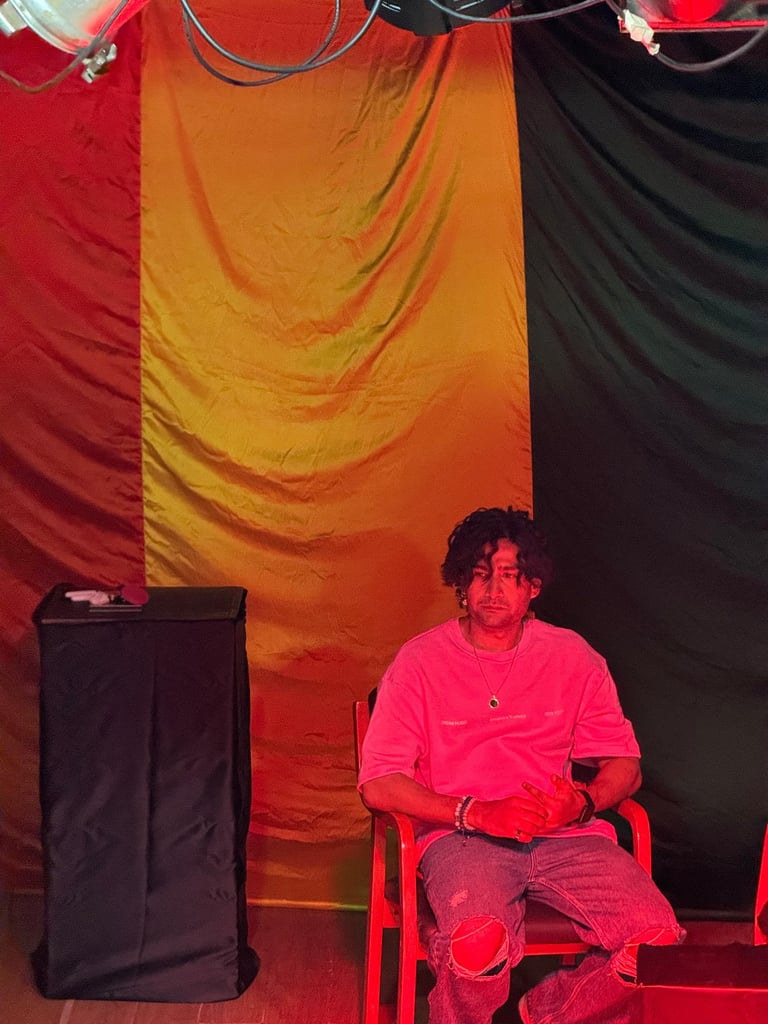
Acting for Camera Needs Depth, Not Tricks
Film and OTT acting demands subtlety. A slight pause, a controlled breath, a silent reaction — these are what the camera captures. But subtlety doesn’t come from doing “less.” It comes from knowing what you’re doing internally.
Theatre training builds this inner clarity.
On stage, you cannot rely on edits, retakes, or close-ups. You must understand:
What your character wants
Why they behave the way they do
How emotions rise and fall naturally
This understanding becomes invaluable when you move to camera acting, where everything is magnified.
Theatre Teaches You to Listen — Not Just Deliver Lines
One of the biggest issues seen in auditions and performances today is actors reciting dialogues instead of reacting.
Theatre training fixes this at the root.
In theatre:
You learn to listen deeply
You respond truthfully to your co-actor
You stay present throughout the scene
These skills translate beautifully on camera. The most memorable film performances are not about dialogue delivery — they’re about real reactions.
Camera Acting Is Small; Theatre Builds Control
A common myth is that theatre makes actors “loud” or “dramatic.” In reality, good theatre training teaches control, not exaggeration.
Theatre helps actors understand:
Body awareness
Voice modulation
Energy levels
Stillness and silence
When an actor with theatre training performs on camera, they know exactly how much is enough — because they have already explored the full range.
Theatre Builds Emotional Truth, Not Forced Emotion
Crying on cue, shouting with intensity, or showing anger does not equal good acting. Theatre training teaches actors to access emotions through situations, not force them artificially.
Actors learn:
To trust circumstances
To allow emotions to emerge organically
To stay emotionally available without self-indulgence
This is crucial for film and OTT, where false emotion looks exaggerated and dishonest on screen.
Discipline, Process, and Consistency
Theatre is demanding. It requires:
Regular rehearsals
Punctuality
Commitment to the process
Respect for ensemble work
These habits shape an actor’s professionalism. Film and OTT sets may move fast, but they demand actors who are prepared, grounded, and reliable. Theatre-trained actors often adapt better to long shooting hours and emotionally intense scenes.
Theatre Makes You Comfortable With Rejection and Feedback
Rejection is part of an actor’s life, especially in films and OTT. Theatre training builds resilience.
In theatre:
You perform repeatedly
You receive constant feedback
You fail, adjust, and grow
This emotional strength helps actors handle auditions, rejections, and criticism without losing confidence or motivation.
Theatre Sharpens Character Work
OTT platforms thrive on complex, layered characters. Theatre training strengthens an actor’s ability to:
Build backstories
Understand arcs
Play contradictions within a character
This depth is what separates a “good-looking performer” from a serious actor.
Many Great Screen Actors Began With Theatre
Across industries — Hindi cinema, regional films, and international cinema — many respected actors credit theatre for shaping their craft. Theatre teaches humility, patience, and respect for storytelling.
It trains actors to focus on craft over fame — something that sustains long careers.
Theatre Is Not About Stage vs Screen
The debate is not theatre versus film.
Theatre is training.
Film and OTT are platforms.
Theatre strengthens your roots so that when opportunities come — whether on a phone screen or a cinema screen — you are ready.
Conclusion: Theatre Is an Actor’s Gym
Think of theatre training as a gym for actors. You don’t perform in the gym, but you build strength there.
For film and OTT actors, theatre:
Builds truth
Sharpens instincts
Strengthens emotional muscles
Creates disciplined performers
You may act for the camera, but you train for life.
And theatre is where that training begins.